Unlocking Value Through Strategic Restructuring
In a globalized and competitive business environment, the status quo is often the enemy of growth. Corporate restructuring is the specialized field of reorganizing the legal, ownership, operational, or other structures of a company for the purpose of making it more profitable, better organized, or more aligned with its strategic goals. Whether you are seeking to consolidate a group through a merger, unlock hidden value via a demerger, or rescue a struggling entity through a capital reduction, the regulatory path is intricate.
At CorpArray, we provide end-to-end support for corporate restructuring in India and abroad. Our team of legal, financial, and secretarial experts ensures that every transaction is technically perfect, tax-efficient, and fully compliant with the *Companies Act 2013* and NCLT rules. This 1500-word guide explores the primary vehicles for business transformation.
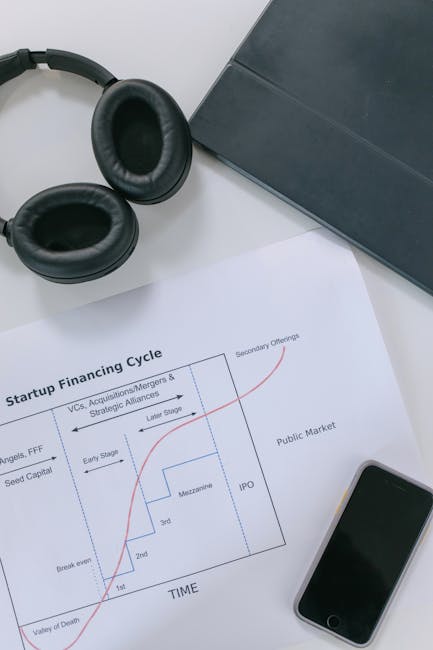
1. Mergers and Amalgamations (Sections 230-232)
A merger is the "legal marriage" of two or more companies. Under the *Companies Act 2013*, this process is primarily driven by a **Scheme of Arrangement** approved by the National Company Law Tribunal (NCLT). It is a comprehensive process where all assets, liabilities, and employees of the transferor company vest in the transferee company.
The NCLT-Driven Process
- Board Approval: Both boards must approve the draft scheme and valuation report.
- Application to NCLT: Filing the first motion to convene meetings of shareholders and creditors.
- Stakeholder Meetings: Securing the approval of at least 75% in value of shareholders and creditors.
- Regulatory Notices: Serving notice to the ROC, Regional Director, Income Tax Department, and the CCI (if applicable).
- Final Sanction: The second motion where NCLT hears objections and passes the final order.
2. Fast-Track Mergers (Section 233)
Recognizing the need for speed, the Indian government introduced Fast-Track Mergers for specific categories of companies. This route bypasses the NCLT entirely, requiring approval only from the Regional Director (RD) and the Official Liquidator.
- Eligible Entities: Two or more small companies, or a merger between a Holding Company and its Wholly-Owned Subsidiary (WOS).
- Advantage: significantly reduces timelines from 12-18 months (NCLT) to 4-6 months (RD).
3. Demergers: Unlocking Entity Value
A demerger is the opposite of a merger—it involves the separation of a specific business undertaking from a larger company into a new, independent entity. This is often used to:
- Separate core and non-core businesses.
- Attract strategic investors to a specific segment.
- Facilitate family successions or split-ups.
Demergers in India must be "tax-neutral" under Section 2(19AA) of the *Income Tax Act*, ensuring that the transfer of assets does not trigger immediate capital gains tax for the company or shareholders.
4. Cross-Border Mergers (Section 234)
With the opening up of the Indian economy, **Inbound Mergers** (foreign company merging into an Indian one) and **Outbound Mergers** (Indian company merging into a foreign one) are now possible. These require specific compliance with the *FEMA (Cross Border Merger) Regulations, 2018*. CorpArray’s FEMA desk works alongside our legal team to ensure RBI's "deemed approval" conditions are met, especially for Australia-India transactions.
5. Capital Reduction and Share Buy-Backs
Restructuring isn't always about merging entities; sometimes it’s about restructuring the balance sheet. We assist in:
- Section 66 Reduction: Formally reducing the share capital through NCLT approval to wipe out accumulated losses or return surplus cash.
- Section 68 Buy-Back: Returning value to shareholders by the company purchasing its own shares, subject to strict solvency and debt-equity ratio tests.
Core Restructuring Services
Scheme Drafting
Crafting technically sound Schemes of Arrangement that balance the interests of shareholders, creditors, and regulators.
M&A Due Diligence
Comprehensive legal and compliance audits of target companies to identify hidden liabilities before the deal closes.
NCLT & RD Liaison
Managing the entire interface with the Ministry of Corporate Affairs, from filing motions to attending personal hearings.
Valuation Coordination
Liaising with Registered Valuers to ensure share exchange ratios are compliant with IBBI and Income Tax standards.
Frequently Asked Questions
Conclusion: Navigating the Complexity
Corporate restructuring is one of the most complex areas of business law. It requires a delicate balance of legal strategy, financial modeling, and regulatory diplomacy. A poorly executed merger can lead to years of litigation, tax disputes, and operational paralysis.
At CorpArray, we simplify the complex. We act as your project managers for the entire restructuring lifecycle, ensuring that your strategic vision is translated into a legally robust and operational reality. Transform your business with confidence—contact our M&A desk today.
M&A Strategy Inquiry
Planning a merger or demerger? Our experts can provide a preliminary feasibility report.